For decades, traditional pet stores sold colorful boxes of seed mixes as the staple food for pet parakeets and cockatiels. Tragically, avian veterinary science has proven that an all-seed diet is the leading cause of premature death in captive companion birds.
Seeds are essentially "avian junk food"—high in saturated fats and carbohydrates, but virtually devoid of vitamin A, calcium, zinc, and essential amino acids. Chronic seed diets lead directly to hepatic lipidosis (fatty liver disease), egg-binding in females, and respiratory infections.
Switching your bird to an extruded, scientifically formulated pelleted diet ensures that every single bite delivers complete, balanced nutrition.
Top Vet-Recommended Avian Pelleted Diets
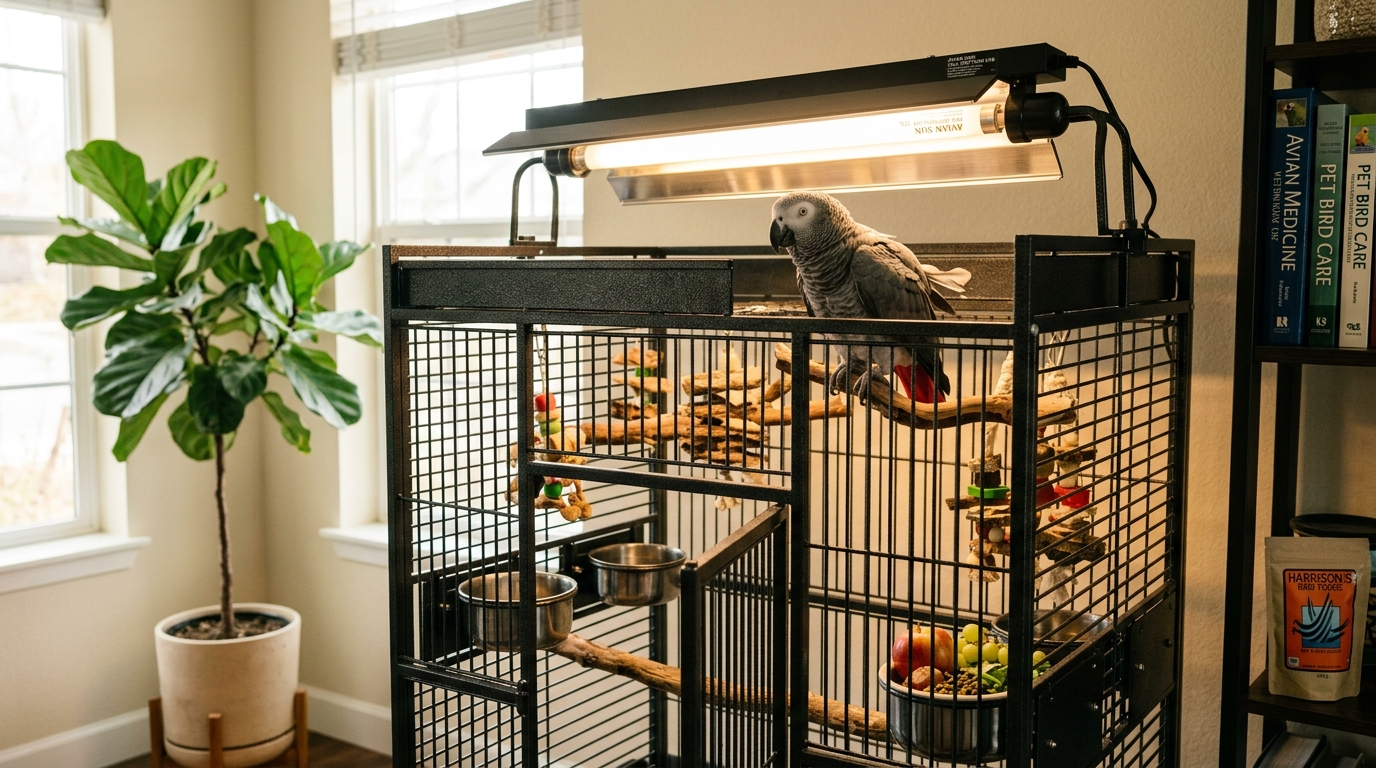
- Harrison’s Bird Foods (High Potency & Adult Lifetime): Certified 100% organic, non-GMO, and free of artificial colorings or preservatives. The undisputed gold standard used by certified avian veterinarians worldwide.
- Roudybush Daily Maintenance: Developed by renowned avian nutritionist Tom Roudybush. High palatability, steam-pelleted without added sugar or synthetic dyes.
- ZuPreem Natural & FruitBlend: Excellent for transitioning stubborn birds. FruitBlend features fruit aromas that entice birds that have never seen a pellet before.
Shop Vet-Recommended Harrison's & Roudybush Bird Pellets on Amazon
How to Convert a Stubborn "Seed Junkie" to Pellets
Birds imprint on the visual shape of seeds and will literally starve themselves rather than recognize pellets as food. Use this proven veterinary transition schedule:
- Week 1: Offer a bowl containing 80% familiar seeds and 20% ground pellets mixed together.
- Week 2: Shift to 60% seeds and 40% pellets, misting the mix with 100% pure unsweetened organic apple juice so the pellet dust sticks to the seeds.
- Week 3: Adjust to 40% seeds and 60% pellets.
- Week 4: Transition to 20% seeds and 80% pellets, offering fresh seeds only as hand-fed training rewards!
Warning: Never switch cold turkey! Always monitor your bird’s weight daily using a digital gram kitchen scale. If your bird loses more than 10% of its body weight, immediately resume feeding seeds and slow down the transition.
Browse Accurate Digital Gram Scales for Pet Birds on Amazon
Frequently Asked Questions (FAQ)
What percentage of a bird's diet should be pellets?
Veterinary nutritionists recommend 60% to 70% formulated pellets, 20% to 30% fresh organic vegetables and leafy greens (kale, broccoli, carrots), and 10% healthy seeds/nuts as foraging treats.
Why do some commercial pellets have rainbow colors?
Artificial colors appeal to human shoppers, not birds! In fact, birds often develop preferences for a single color and throw the rest out of the bowl. Dye-free, natural brown pellets are always healthier.