When you purchase a commercial bird cage, it almost always comes supplied with straight, smooth, circular wooden dowel perches. While cheap to manufacture, these uniform dowels are one of the leading causes of avian foot disease (pododermatitis, commonly known as bumblefoot).
Because circular dowels have an identical diameter along their entire length, a bird’s toes and footpads rest on the exact same pressure points 24 hours a day, causing painful abrasions, bacterial ulcerations, and early-onset arthritis.
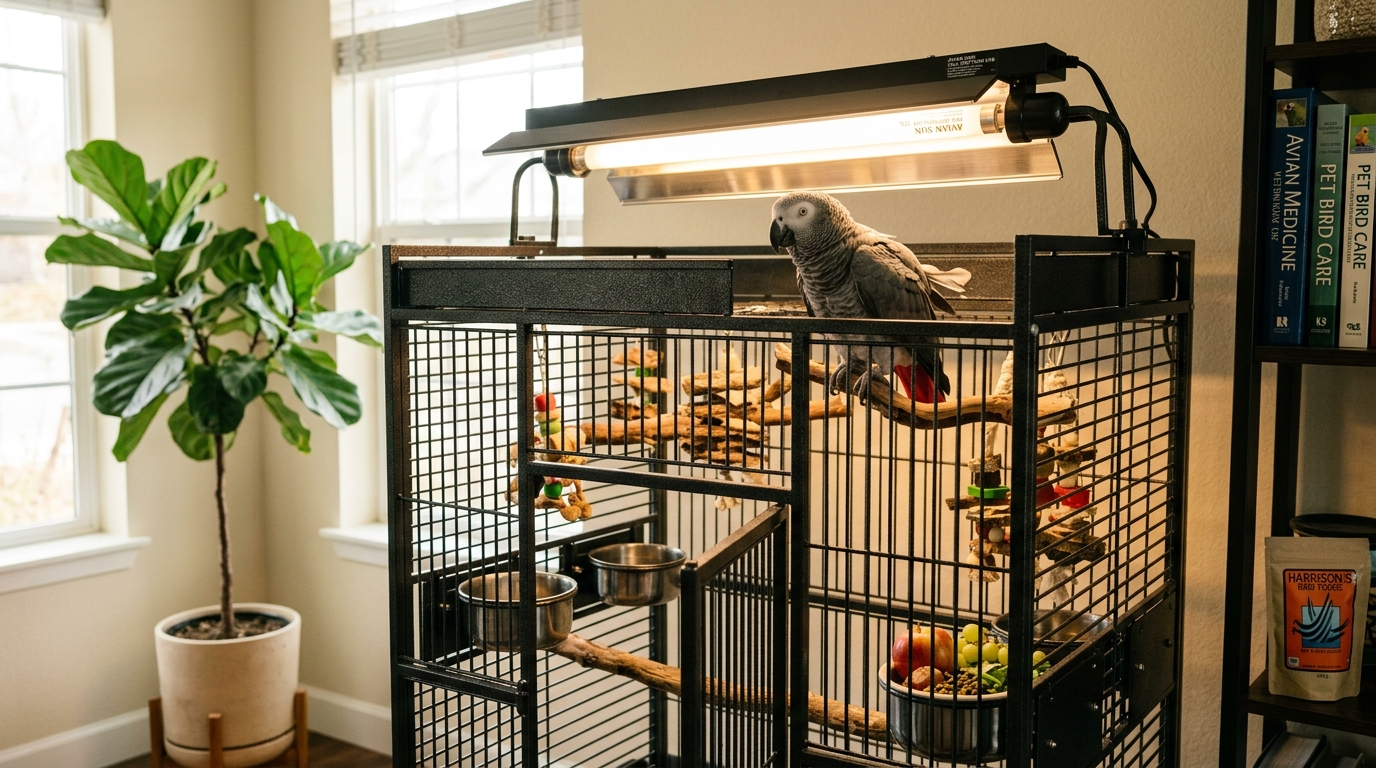
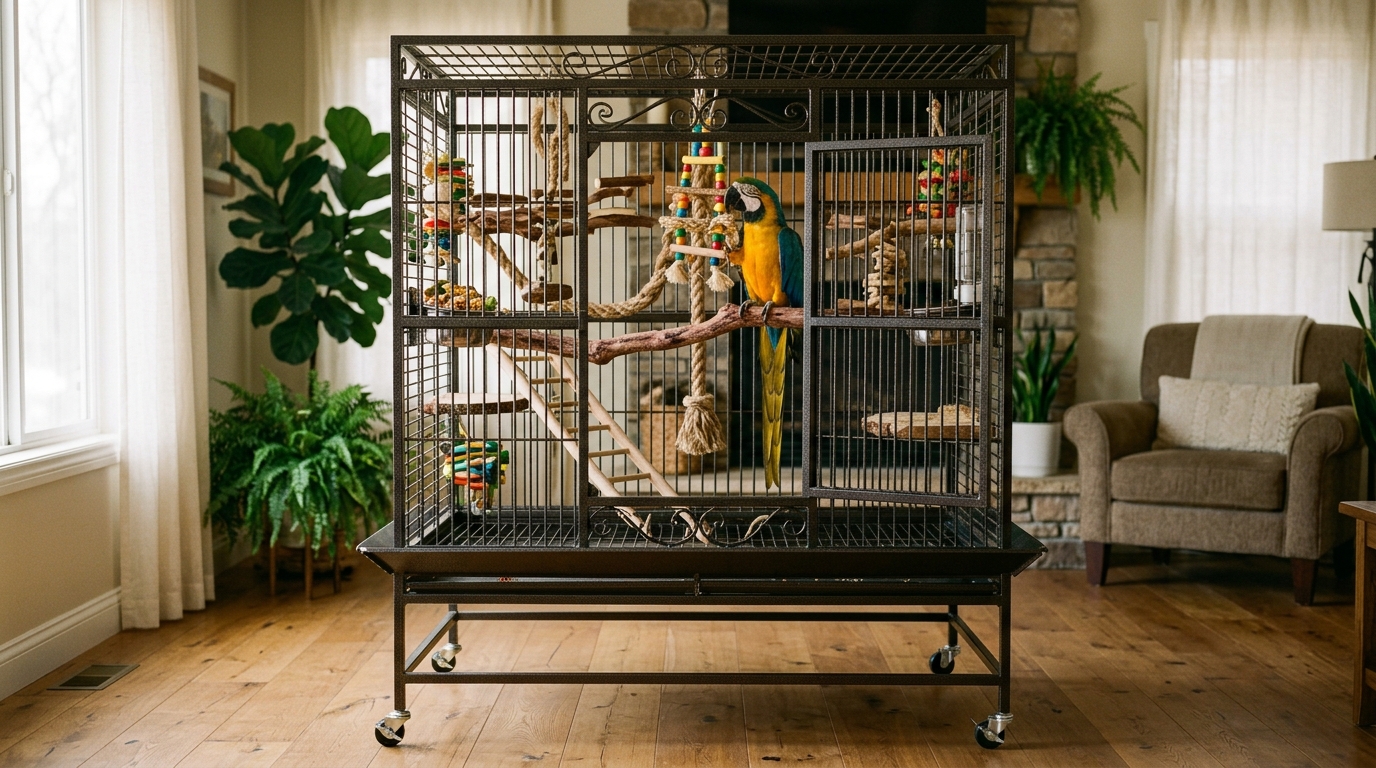
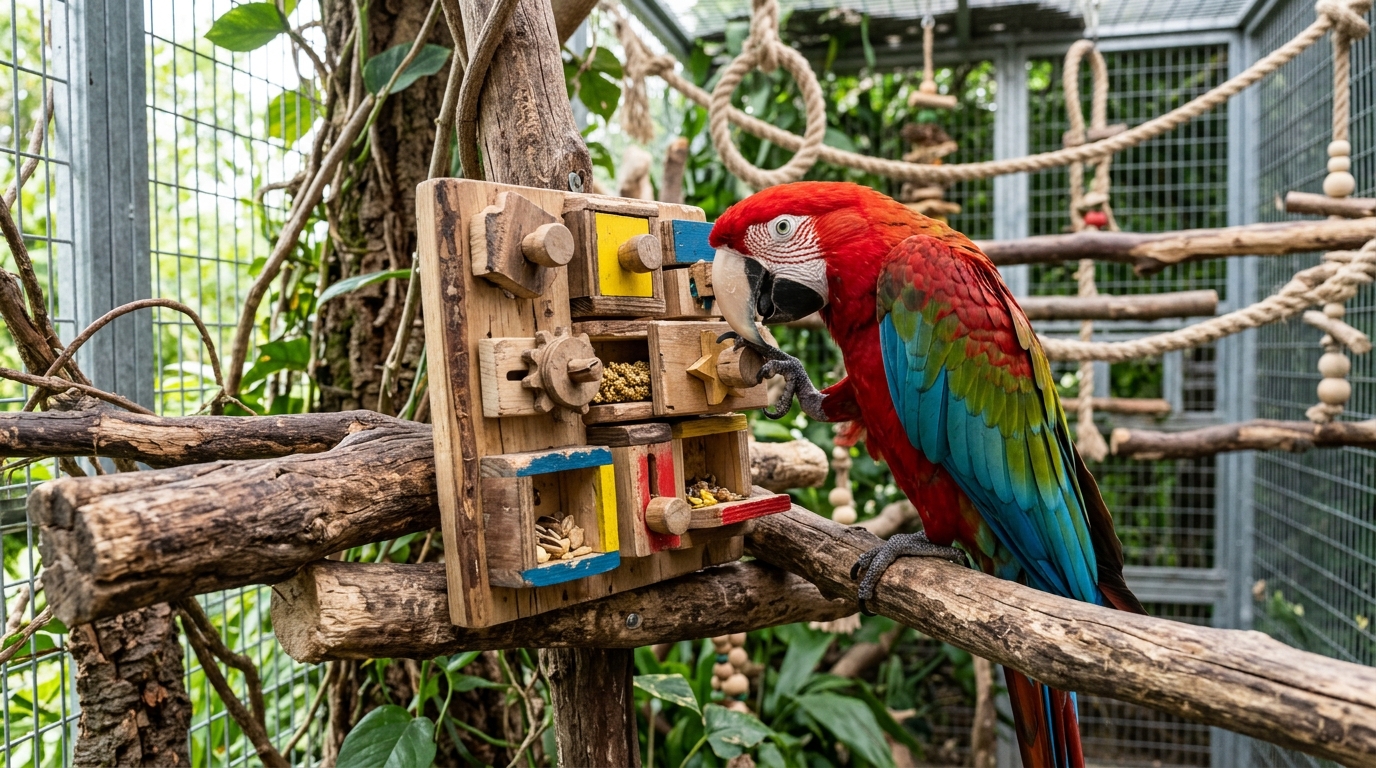
Installing a variety of natural hardwood branch perches with irregular diameters is vital for long-term avian orthopedic wellness.
Why Natural Branch Perches Are Essential
- Dynamic Foot Physiotherapy: Natural branches twist, taper, and curve. As a bird hops along the branch, its foot tendons constantly flex, stretch, and relax across different diameters, maintaining joint elasticity.
- Natural Claw Trimming: Rough, natural bark gently wears down needle-sharp claw tips without the bleeding risks associated with abrasive sandpaper sleeves (which should never be used).
- Instinctual Bark Stripping: Chewing and peeling natural wood bark exercises the jaw muscles and satisfies instinctual nest-building urges.
Shop Natural Java Wood and Manzanita Bird Perches on Amazon
Safe vs. Toxic Woods for Bird Perches
✅ 100% Safe Hardwoods:
- Manzanita: Extremely dense, durable California hardwood that resists even heavy macaw beaks.
- Java Wood / Dragon Wood: Indonesian coffee hardwood with beautiful natural twists and silky smooth bark.
- Grapevine Branches: Naturally knobby and textured, perfect for smaller parrots, conures, and cockatiels.
- Untreated Fruit Woods: Apple, pear, and citrus branches (free of chemical pesticides).
❌ Dangerous Woods to Avoid:
Never use cedar, redwood, oak (tannins), apricot, cherry, or peach branches (contains toxic cyanogenic compounds).
Browse Heavy-Duty Stainless Steel Perch Mounting Hardware on Amazon
Frequently Asked Questions (FAQ)
How many perches should a bird cage have?
Provide at least 3 to 5 distinct perches of varying diameters, materials, and textures, placed at different heights across the cage, leaving open central airspace for flight.
How do you sanitize natural wood branches?
Scrub dirty branches with hot water and white vinegar, then bake in an oven at 200°F (93°C) for 1 to 2 hours to kill wild pathogens and fungi before placing them in the cage.