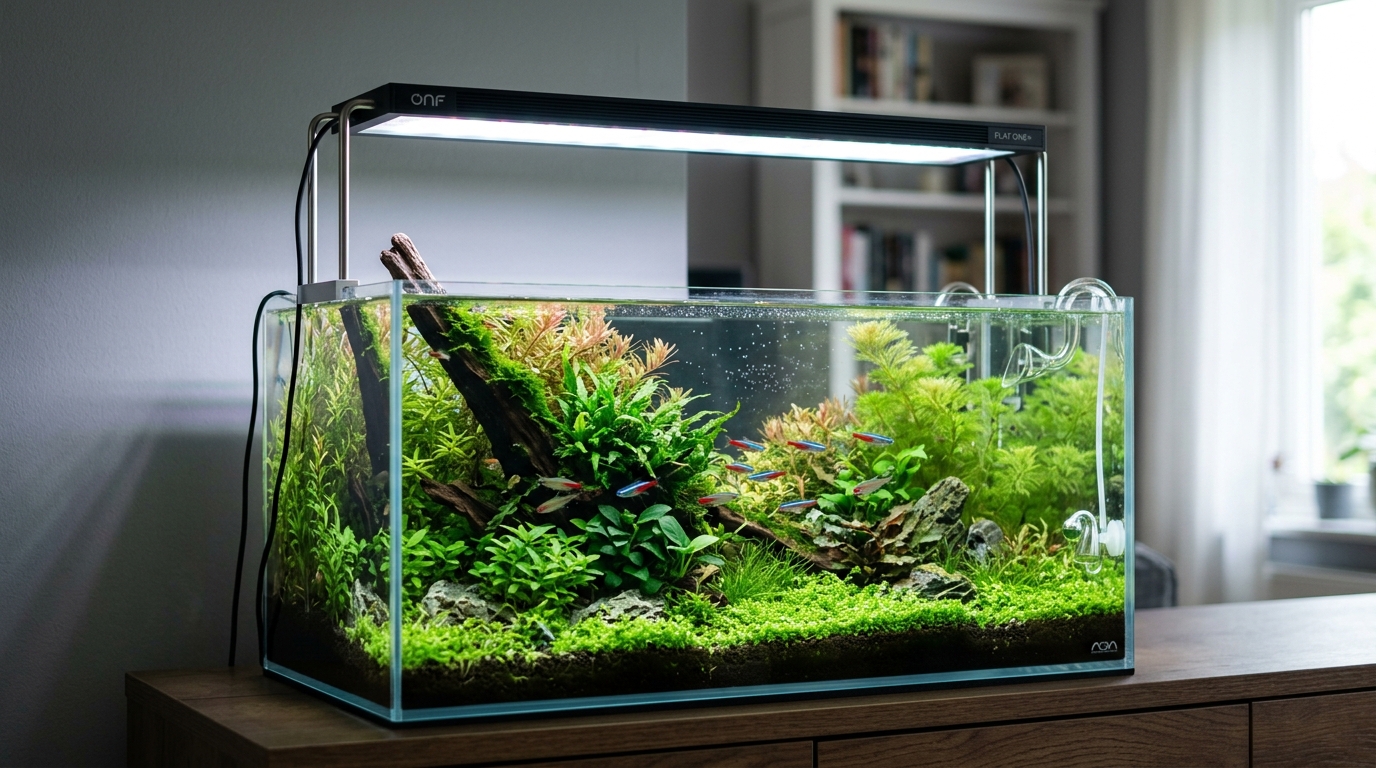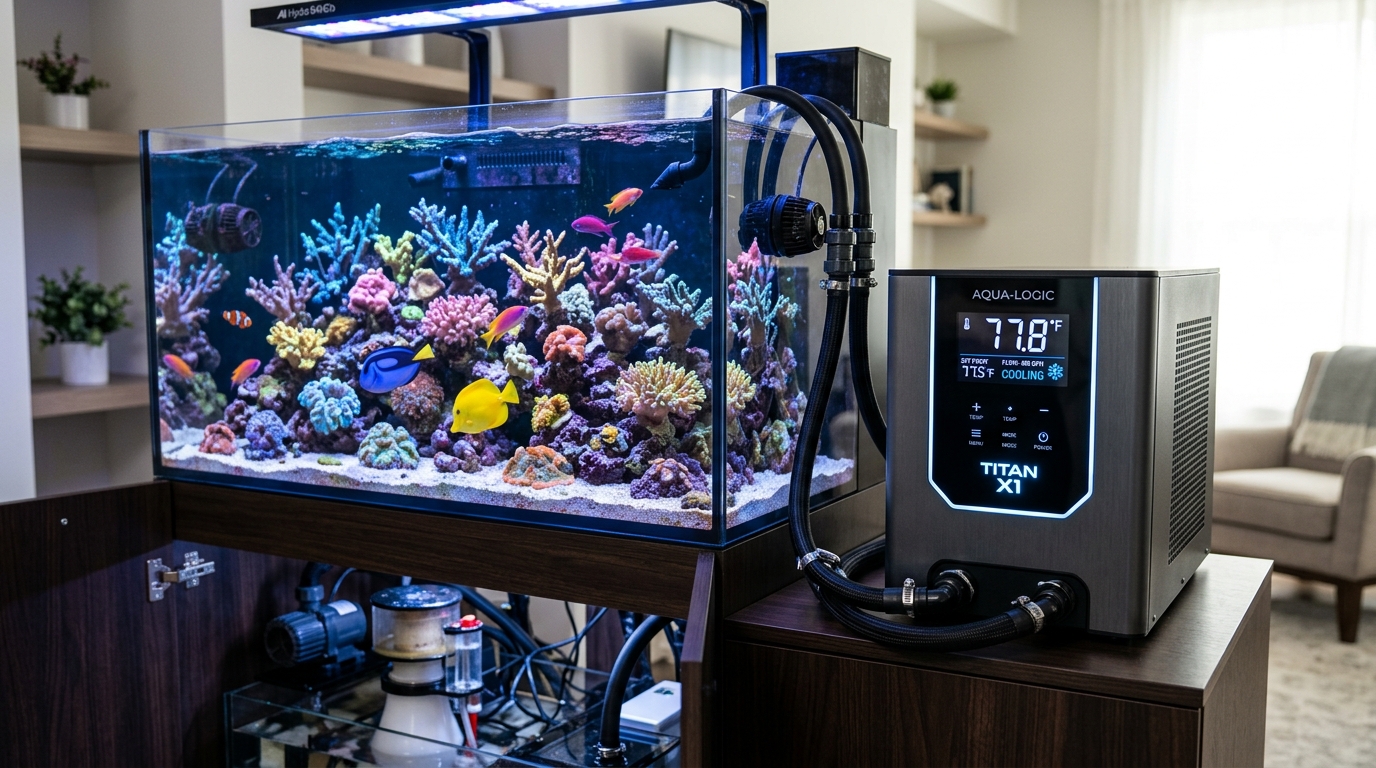
Maintaining crystal clear, healthy water is the most critical aspect of fishkeeping. The key to achieving this lies in a robust and efficient filtration system. Without a proper filter, toxic ammonia and nitrites will quickly build up from fish waste and uneaten food, creating a lethal environment for your aquatic pets. But walk into any pet store, and you'll be bombarded with dozens of different filter types. How do you know which one is right for your tank?
The Three Stages of Filtration
A comprehensive aquarium filter should perform three types of filtration:
- Mechanical Filtration: This physically traps solid debris like fish poop, uneaten food, and decaying plant matter. Sponges, filter floss, and micron pads are common mechanical media.
- Biological Filtration: This is the most crucial stage. Biological media (like ceramic rings or bio-balls) provides a massive surface area for beneficial bacteria to colonize. These bacteria consume toxic ammonia and convert it into safer nitrates.
- Chemical Filtration: This stage uses materials like activated carbon to absorb dissolved impurities, medications, and odors from the water.
Types of Aquarium Filters
- Sponge Filters: Powered by an air pump, these provide excellent biological filtration and gentle water flow, making them perfect for breeding tanks, shrimp, and bettas. They are cheap and incredibly reliable but lack chemical filtration.
- Hang-On-Back (HOB) Filters: The most popular choice for beginners. They hang on the rim of the tank, pulling water up and cascading it back down. They offer all three stages of filtration, are easy to maintain, and provide good surface agitation for oxygenation.
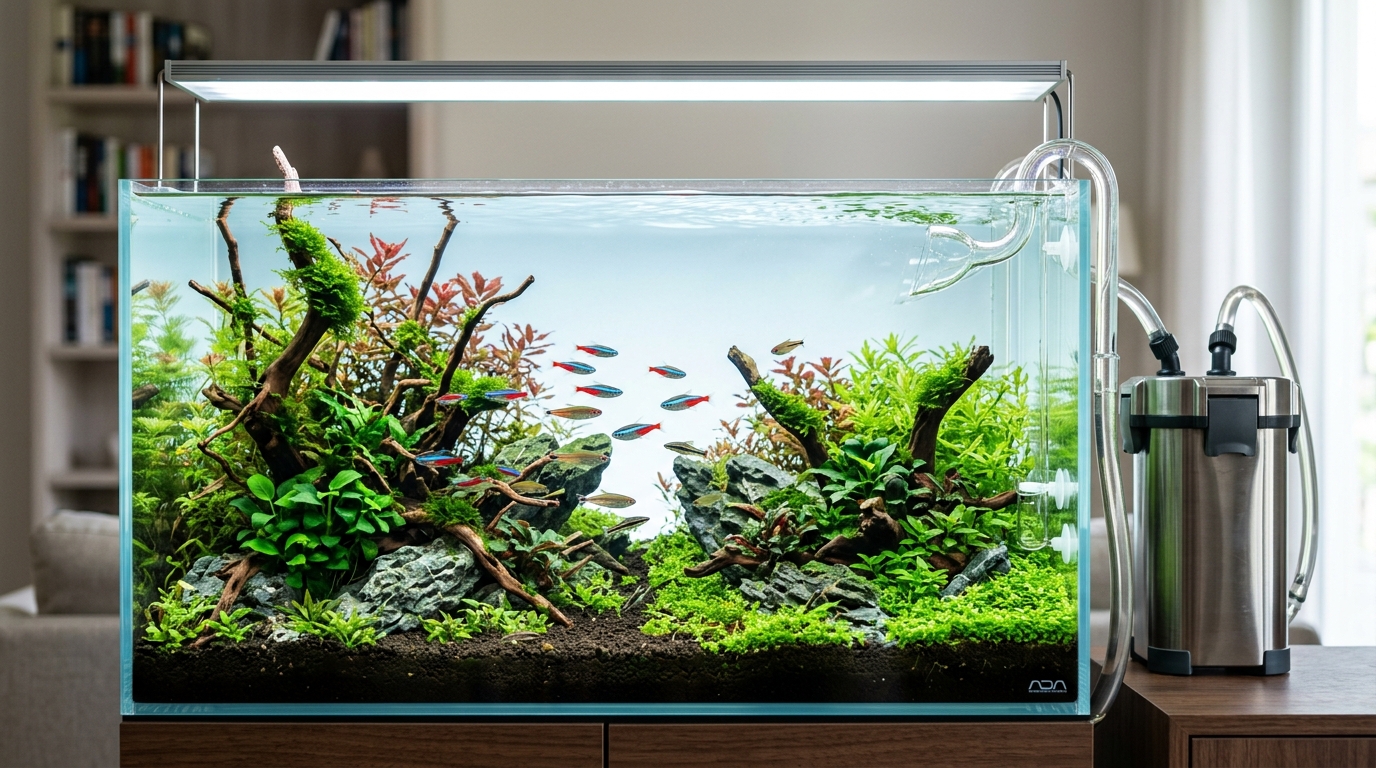
- Canister Filters: The heavyweights of the filtration world. These pressurized canisters sit below the tank and are packed with massive amounts of filter media. They are highly efficient, virtually silent, and ideal for large, heavily stocked aquariums or planted tanks where you want to hide equipment.
Choosing the right filter depends entirely on your tank size, the type of fish you keep, and your budget.