Cats are notoriously adept at hiding illness. In the wild, showing weakness makes them a target. Unfortunately, this means that by the time a domestic cat shows outward signs of Chronic Kidney Disease (CKD)—such as excessive thirst, weight loss, or lethargy—up to 70% of their kidney function may already be permanently lost.
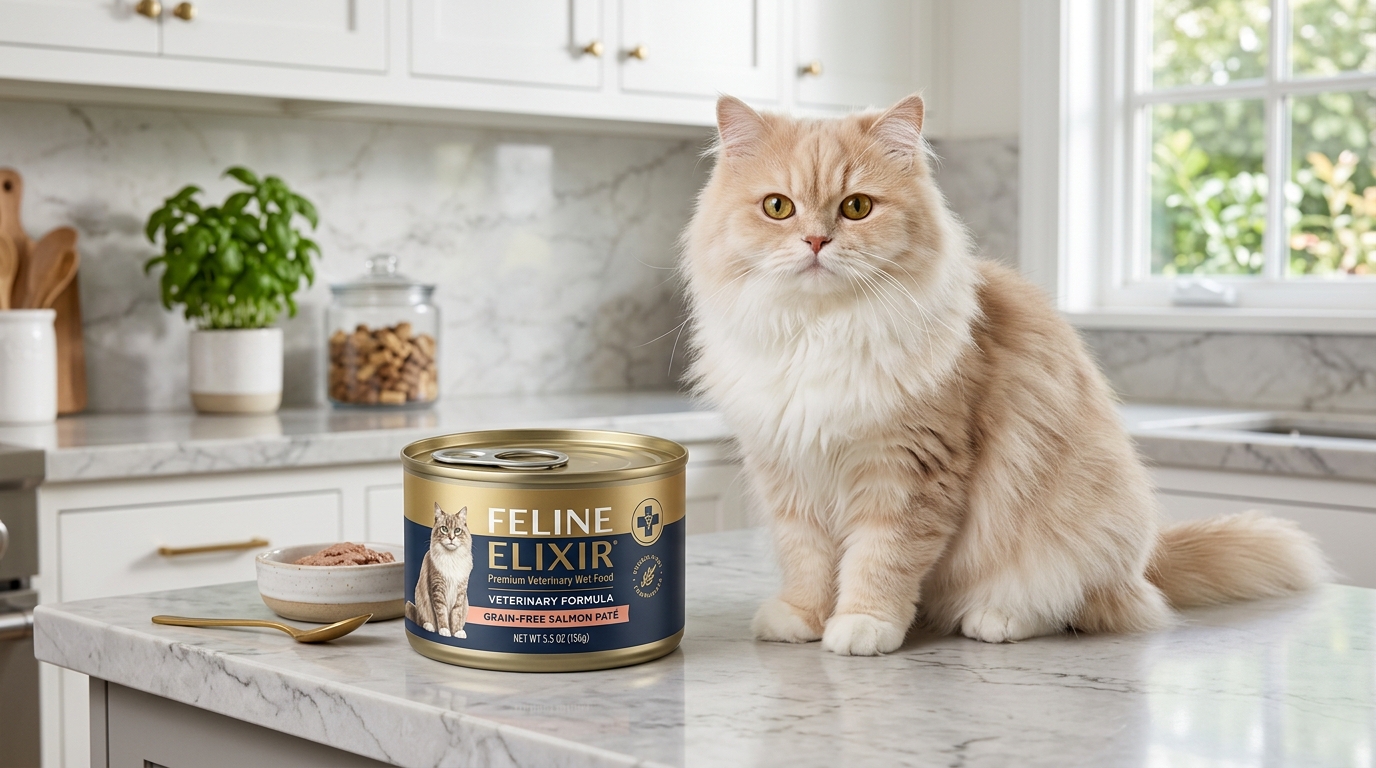
This is why proactive, preventative care is vital. One of the best things you can do for a healthy senior cat (typically over the age of 10) is to transition them to a low phosphorus canned cat food.
The Dual Benefit: Low Phosphorus and High Moisture
Why specifically canned food? The kidneys require an immense amount of water to properly flush toxins from the bloodstream. Cats have a naturally low thirst drive; they evolved as desert animals, designed to get most of their hydration directly from the prey they hunt.
A cat eating a dry kibble diet lives in a state of chronic, mild dehydration. This forces the kidneys to work overtime.
Canned cat food provides a two-pronged defense for aging kidneys:
- Hydration: It provides the critical moisture (usually around 75% water) the kidneys desperately need to function efficiently without the cat having to rely on the water bowl.
- Phosphorus Control: By actively choosing canned foods formulated with lower phosphorus levels, you are reducing the workload on the kidneys, preventing the microscopic scarring that leads to renal failure over time.
Transitioning Your Senior Cat
Cats are creatures of habit, and changing their diet can be challenging.
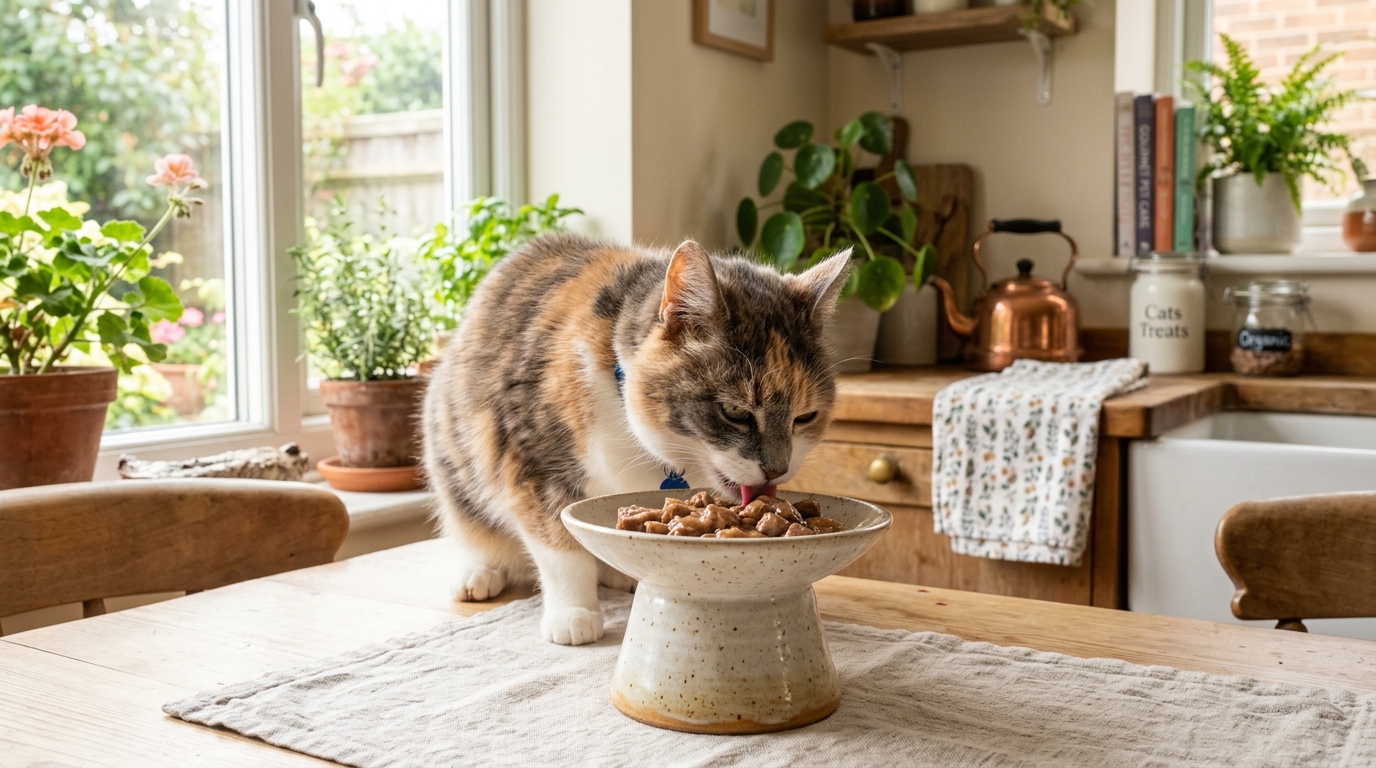
- Go Slow: Mix a tiny amount of the new low phosphorus canned food into their old food, gradually increasing the ratio over several weeks.
- Warm It Up: Gently warming canned food in the microwave for a few seconds enhances the aroma, which can stimulate a senior cat's fading appetite.
- Add Toppers: If they are stubborn, sprinkle a tiny bit of nutritional yeast or freeze-dried chicken on top to entice them.