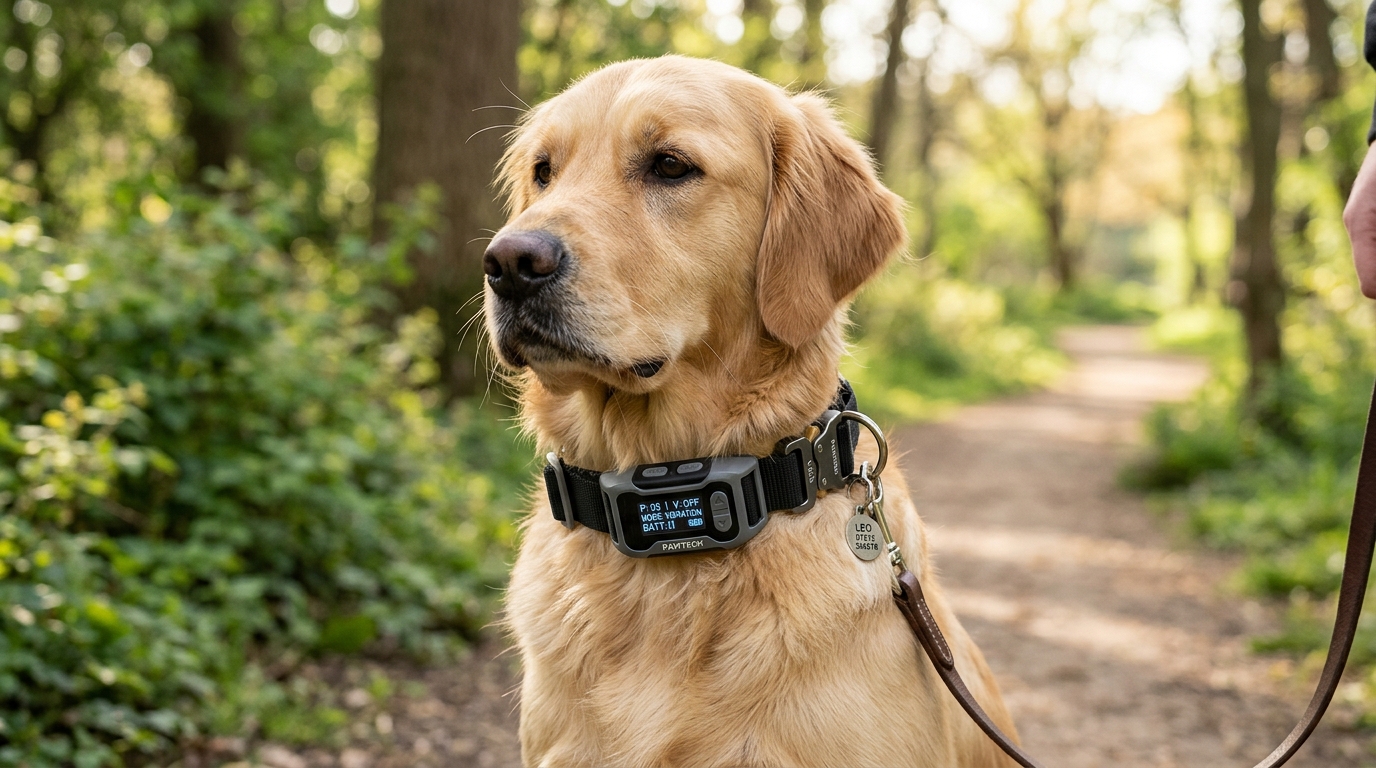
Training a dog requires patience, consistency, and the right tools. While a standard flat collar is perfect for holding ID tags and everyday walking for well-behaved dogs, it isn't always the best tool for training, especially if you have a large, strong dog that pulls relentlessly on the leash. Training collars, when used correctly and humanely in conjunction with positive reinforcement, can drastically improve communication between you and your dog.
Understanding the Options
There is a wide variety of training collars available, and choosing the right one depends heavily on your dog's size, temperament, and the specific training issues you are facing.
- Martingale Collars: Also known as limited-slip collars, these are highly recommended by trainers. They tighten slightly when the dog pulls, preventing escape (especially useful for breeds with narrow heads like Greyhounds), but they have a stopping mechanism that prevents them from choking the dog. They provide a gentle physical cue to stop pulling.
- Head Halters: These look similar to a horse's halter and wrap around the dog's muzzle and the back of the head. When the dog pulls, the halter gently redirects their head toward you. Because where the head goes, the body follows, this takes away the dog's leverage and is incredibly effective for strong pullers.
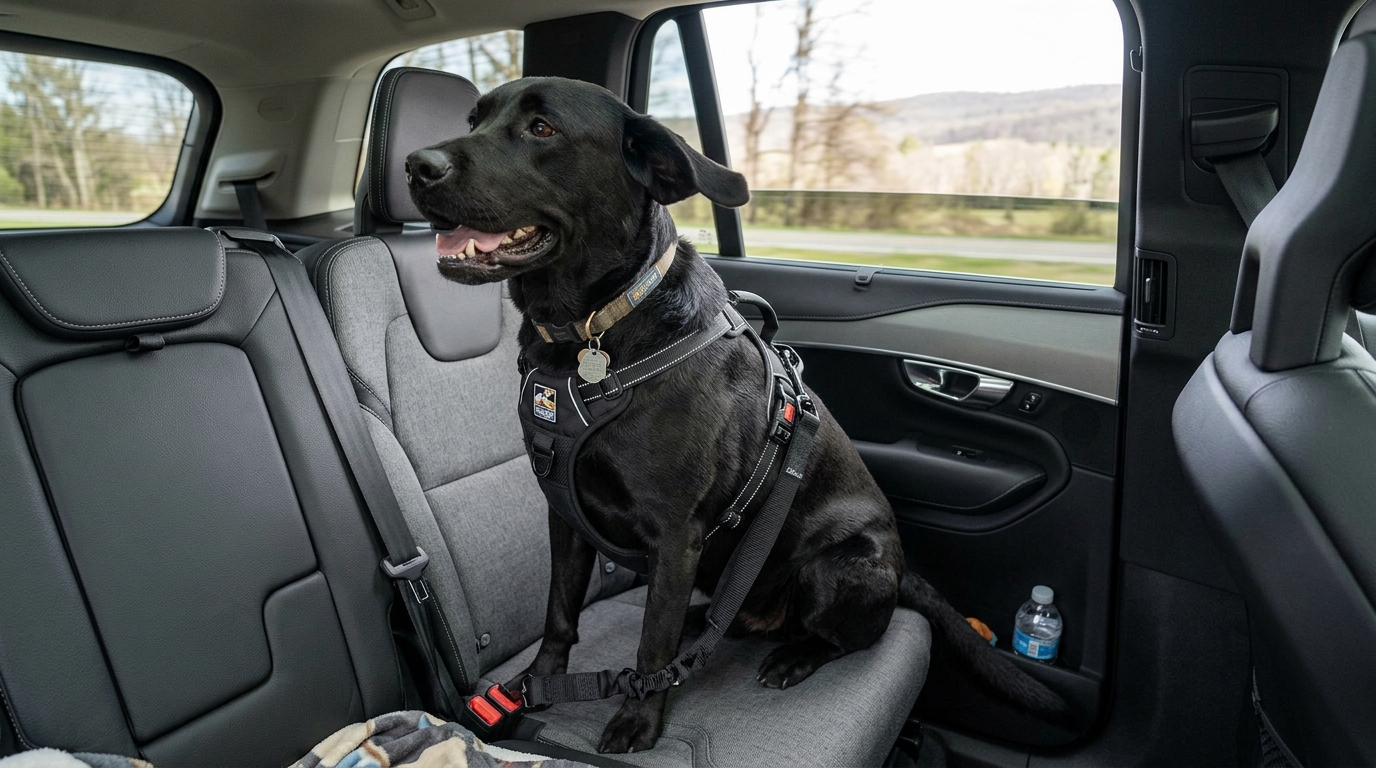
- Front-Clip Harnesses: While technically not a collar, front-clip harnesses are an excellent alternative. The leash attaches to the dog's chest. If the dog pulls, the tension steers them sideways toward the owner, gently discouraging the pulling behavior without any pressure on the delicate neck area.
The Importance of Professional Guidance
Tools like prong collars or electronic (shock) collars are highly controversial. If used incorrectly, they can cause severe physical injury and psychological trauma, often exacerbating aggressive behaviors. It is crucial that if you are considering these tools, you only use them under the direct supervision and guidance of a certified, professional dog trainer who prioritizes humane methods.