Like rabbits and guinea pigs, chinchillas are rodents with open-rooted elodont teeth that grow continuously throughout their entire 15-to-20-year lifespans.
In their native high-altitude Andes mountain range, chinchillas chew on coarse volcanic rocks, tough mountain shrubs, and dry bark to keep their razor-sharp incisors and back molars ground down to healthy lengths.
Without safe, abrasive chew toys, chinchilla teeth develop sharp, jagged spurs that lacerate tongue tissue and pierce the jawbone (malocclusion), leading to fatal anorexia.
Equipping your multi-level cage with kiln-dried apple wood sticks and volcanic pumice lava ledges is a critical veterinary requirement.
Top Safe Chewing Materials for Chinchillas
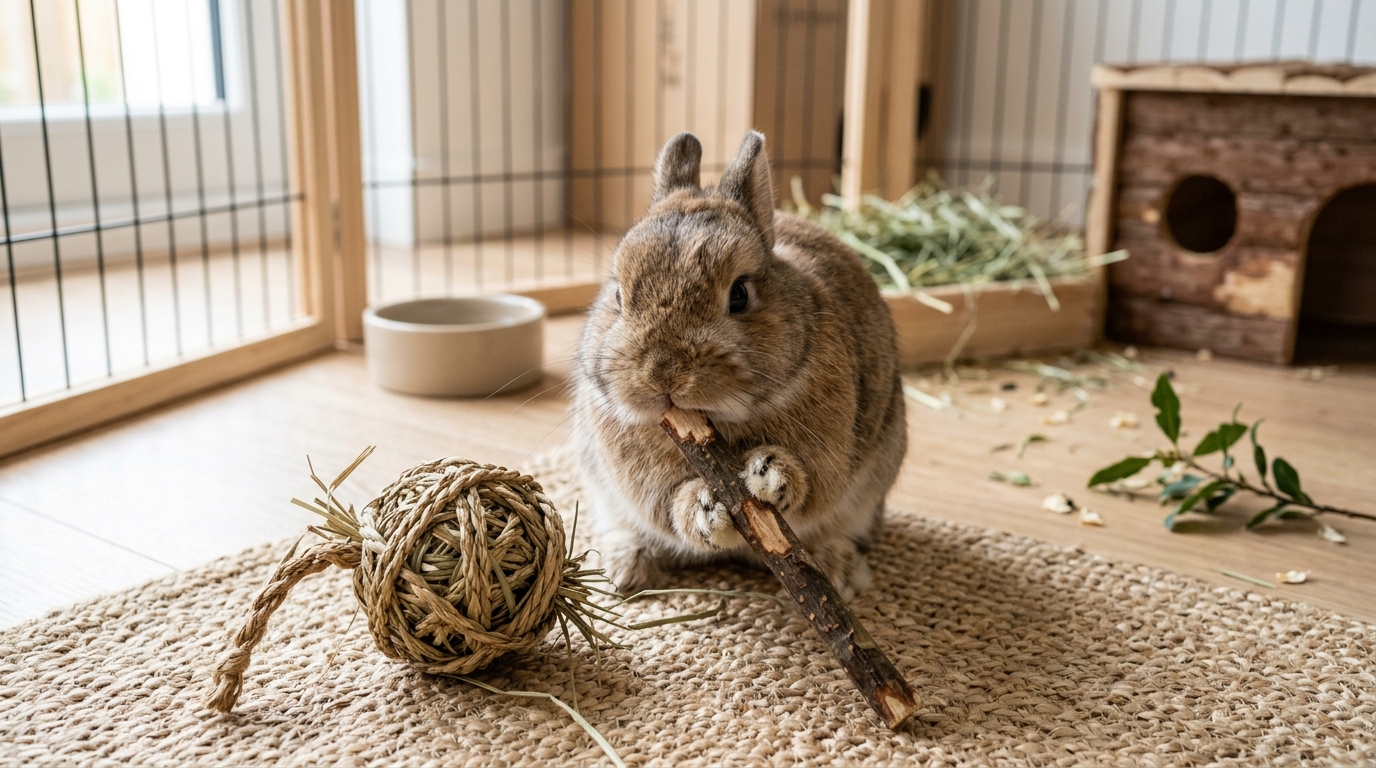
- Kiln-Dried Apple Wood Twigs: The #1 favorite chew wood. Sweet, crunchy, and packed with healthy natural bark fiber.
- Volcanic Pumice Lava Ledges: Dense volcanic stone blocks with built-in cage bracket bolts that mount to wire bars, providing abrasive dental wear while serving as jumping steps!
- Natural Loofah Slices: Unbleached, dried loofah plant sponges offer a chewy, fibrous texture that flosses between teeth.
- Untreated Kiln-Dried Pine: Ideal for chew houses, bridges, and shelving platforms.
Shop Natural Apple Wood Sticks & Lava Ledges on Amazon
Toxic Materials to Strictly Avoid
Chinchillas will chew literally anything within reach of their paws. Protect them by excluding:
- Plastics of Any Kind: Plastic will splinter into sharp shards, causing fatal intestinal blockages (impaction).
- Cedar and Fresh Pine: Contain aromatic resinous phenols that cause severe liver damage and respiratory failure.
- Treated or Plywood Lumber: Packed with toxic chemical glues and formaldehyde.
Browse Multi-Tier Wooden Chinchilla Cage Bridges on Amazon
Frequently Asked Questions (FAQ)
How often should I replace chinchilla chew sticks?
Provide 3 to 5 fresh apple wood twigs every other day. Chinchillas enthusiastically strip the outer bark within hours, which wears down front incisors.
What are the symptoms of dental disease in chinchillas?
Watch for "slobbers" (wet fur around the chin and chest from drooling), pawing at the mouth, watery eyes, and refusing hard timothy pellets while only eating soft hay.